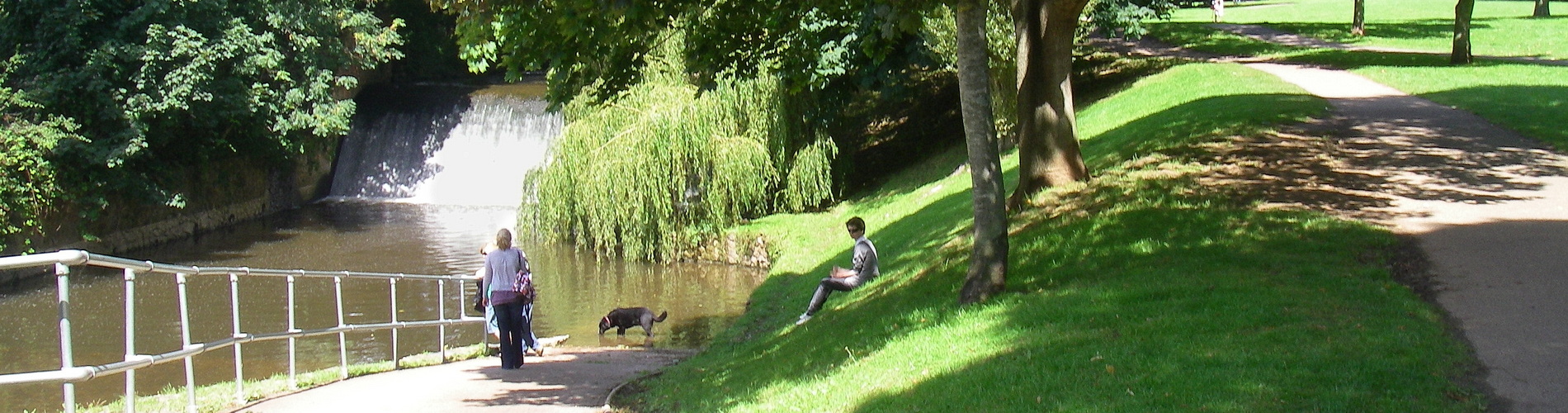
Last week we looked at the history of the flooding of East Devon’s rivers – but it all seems very much part of the present and the immediate future.
As reported in the latest Conversation piece, Britain’s relentless rain shows that climate predictions are playing out as expected – so we have to be asking how we are going to cope.
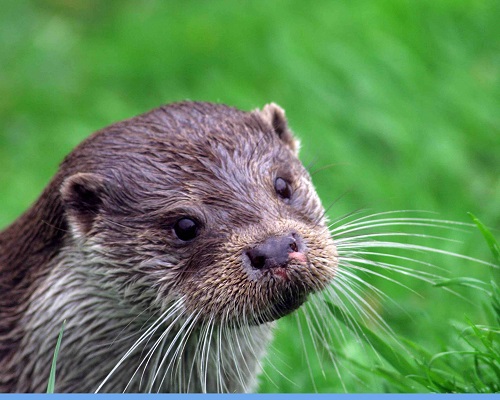
And that includes looking to how nature is going to cope. For example, how are the otters along the River Sid managing as flood waters drown out their holts and make hunting for food almost impossible? The recently reported rise in otter deaths on Somerset roads is a ‘concern’, as “the rain swells the rivers and makes strong currents, forcing the otter sometimes onto the road”.
Three weeks ago, video captured the River Sid overflowing. In a comment to that, we learnt that “Water meadows used to soak it up. That’s where the name Sid comes from, an old name for water meadow.”
The problem of course is that we don’t have the water meadows along our rivers to soak up the flood waters, as covered in a piece also three weeks ago from the Guardian reporting that experts warn of impact of UK floods on birds, butterflies and dormice – and that we need to be looking to nature for our solutions. Here are some excerpts from Devon and beyond:
“The flood waters are only good for scavenger species,” says Steve Hussey, searching hard for a silver lining to last week’s deluges brought by Storm Chandra. When the waters recede, crows and ravens will feast on the carrion of hedgehogs, dormice and other small animals unable to escape the rising water, he says. “It sounds very apocalyptic, doesn’t it?” says Hussey, a communications officer with the Devon Wildlife Trust...
Rising temperatures mean extreme rainfall events have become more severe during storms in the UK, with research indicating they are 20% more intense. But many conservationists say that nature can also be part of the solution for mitigating flood water, particularly for slowing its movement through the landscape and avoiding fast-moving deluges that damage properties and threaten human life.
Many urban areas use nature to control the flow of water, with places such as Wuhan in China and Berlin in Germany using a “sponge city” approach in their planning. These places use green areas to absorb rainwater and slow its movement. Environmentalists say this is needed on a landscape scale.
The UK has lost more than 90% of its wetlands in the past 100 years, today covering just 3% of the country. In many places, river systems and wetlands have been altered to funnel water away from land as quickly as possible instead of allowing it to naturally burst out on to floodplains. Environmentalists say that restoring wetlands and the natural flow of rivers, along with continuing the reintroduction of ecosystem engineers such as beavers, will help...
But conservationists caution that much deeper changes are needed. Reconnecting rivers with floodplains and allowing them to meander naturally in high-risk areas are vital measures.
“We have 30 beaver families on the River Otter, which flooded this week. We can’t expect them to sort it,” says Hussey. “They have to be part of a bigger mix. If you are waist-deep in your house in Ottery St Mary at the moment, having beavers in that river system isn’t going to make much of a difference. We need to tackle soil compaction, plant trees in the right place and improve soil health.”
Looking at what we can do to help the wildlife of the River Sid cope with greater flooding, Sidmouth Nature on the River Sid provides a handy summary:
There is an active movement (The River Sid Catchment Group) working to “slow the flow” using natural methods like tree planting and potentially building fish passes to restore the river’s natural biodiversity.
With a link to their River Sid Catchment Plan for the detail of how we can “improve the ecological health, diversity and resilience within the catchment”.
Let’s see if we can help our wildlife, then.
…